
Lot 167
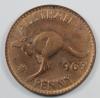
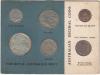
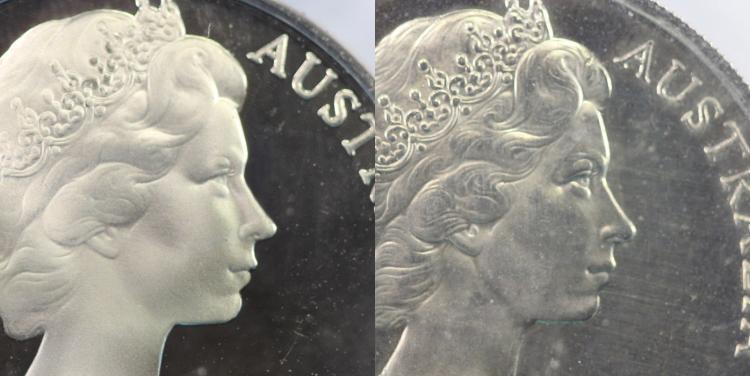
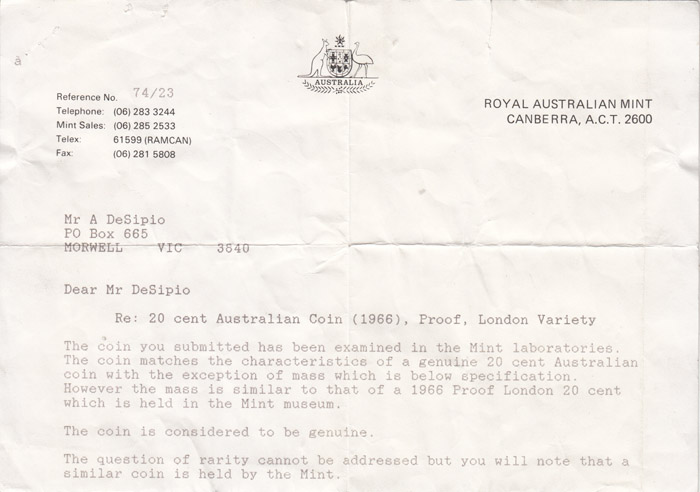
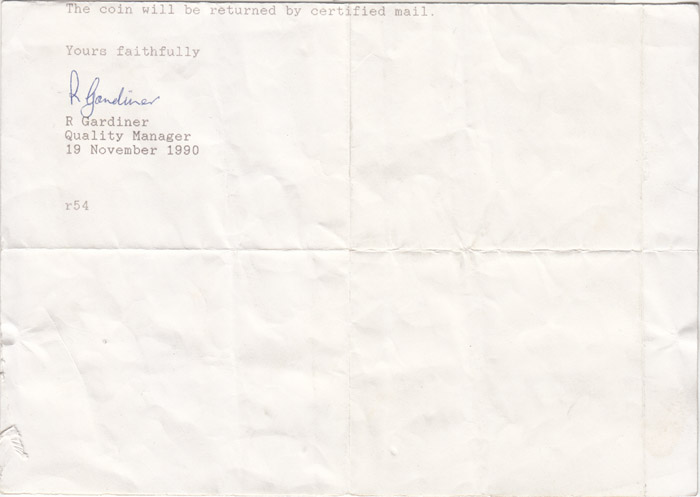
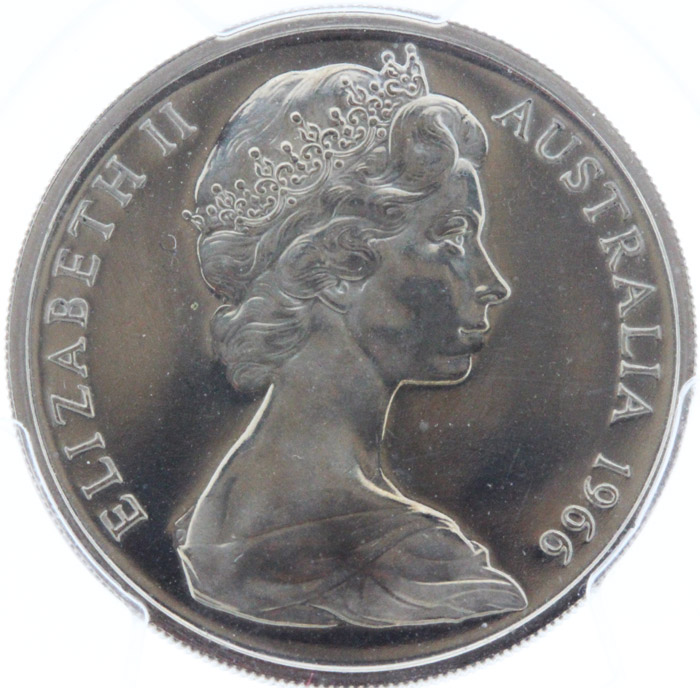
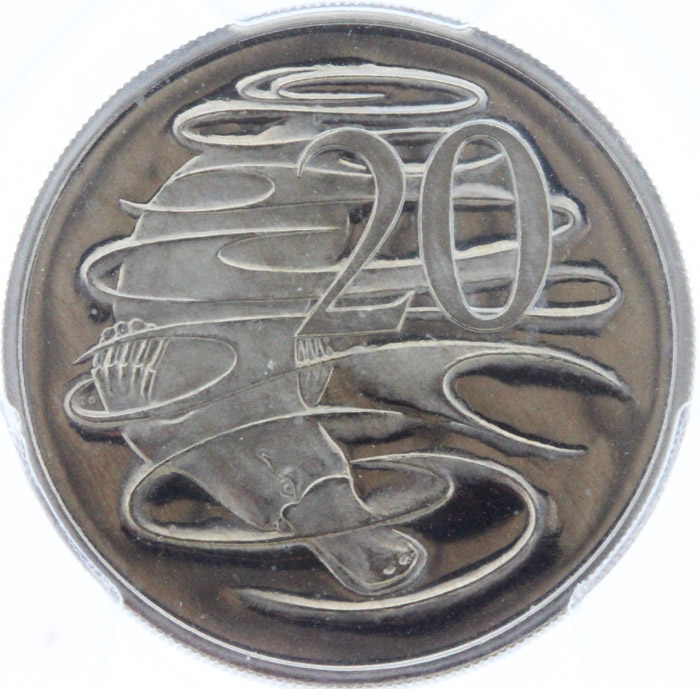
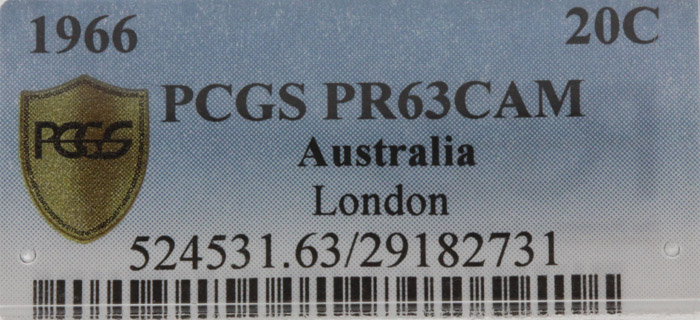
Comes with a letter from the the Royal Australian Mint certifying its authenticity. It has the polished die look of a Royal Mint Proof of the era as compared to the frosted proofs produced by the RAM.
-
Notes:
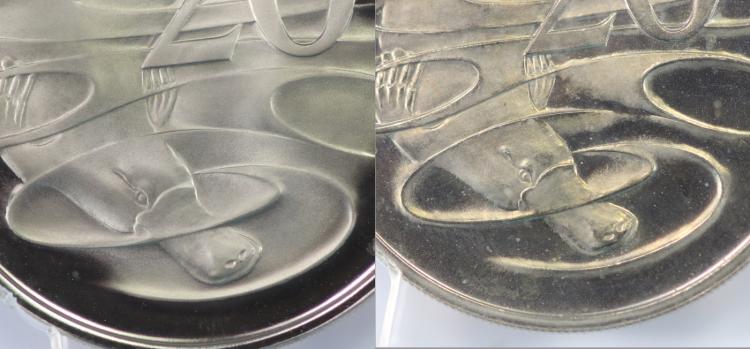
- The notorious coin forger David Allan Gee created havoc in the 1970s when he raided the collections of the Mitchell Library, the Museum of Applied Arts and Sciences (now the Powerhouse) and the Royal Australian Mint. He was an affable man who steadily gained the confidence of staff who over time left him unsupervised with many of Australia’s numismatic treasures. Shortly before Gee died in 2013 he reminisced that he was “not really a dishonest man, just an avid collector” but when faced with unfettered access to such rarities, he “just had to have them”, and so he “borrowed “ them sometimes replacing them with his convincing copies. Gee financed his collecting interests by running a string of illegal blue movie theatres which were known to be frequented by many influential people. This may explain his Svengali-like hold over James Henderson, the Controller of the Royal Australian Mint who certainly was aware of Gee’s source of income but still considered him a close confidant. Henderson was known to have gifted important coins to Gee from the Mint collection in recognition of professional advice he supposedly had provided, and it is speculated that the Australian 1966 ‘London’ Proof Twenty Cent could be one such coin. This coin should only exist in a museum collection but had found its way into a private collection when it was submitted to the Royal Australian Mint for verification in 1990. Mr R Gardiner, the Mint’s quality manager at the time, declared it “genuine” and wrote that “the coin matches the characteristics of a genuine 20 cent Australian coin with the exception of mass which is below specification. However, the mass is similar to that of a 1966 Proof London 20 cent which is held in the Mint museum”. He would not speculate as to the question of rarity but he did point out that “a similar coin is held by the Mint.” It is a common practice for official collections to hold at least two specimens so that both the obverse and reverse can be simultaneously displayed, and the admission that the Mint held only “a” single coin could point to its original source. The London-struck Proof 20 Cent is easily discernible from the Canberra struck coins by a number of features: *Whereas the Royal Australian Mint (RAM) Proof has heavy frosting on the raised designs the Royal Mint (RM) Proof exhibits only light frosting on a polished blank. *The overall obverse design on the RM Proof is smaller thus causing the legend to sit further from the perimeter of the coin when compared to the RAM Proof. *The portrait of the Queen on the RM Proof has a single eyelash whereas on the RAM Proof there are two eyelashes. *On the reverse, the tip of the water swirl is closer to the head of the platypus on the RM Proof than on the RAM Proof.
Accepted Forms of Payment:
American Express, MasterCard, Money Order / Cashiers Check, Paypal, Visa, Wire Transfer
Shipping
AUSTRALIA: Purchases within Australia will be charged a MINIMUM SHIPPING FEE of $5.50 and will be sent by Registered Post. Additional insurance is optional at the buyer's expense.
INTERNATIONAL: Overseas purchases will be charged a MINIMUM SHIPPING FEE of $20.00 and will be sent by Registered Post International. Additional insurance is optional at the buyer's expense.
Both Australian and International packages are traceable in transit and require a signature on delivery.
Smalls Auctions
You agree to pay a buyer's premium of up to 18.5% and any applicable taxes and shipping.
View full terms and conditions
| From: | To: | Increments: |
|---|---|---|
| A$0 | A$99 | A$5 |
| A$100 | A$999 | A$10 |
| A$1,000 | A$4,999 | A$50 |
| A$5,000 | A$9,999 | A$100 |
| A$10,000 + | A$250 |